
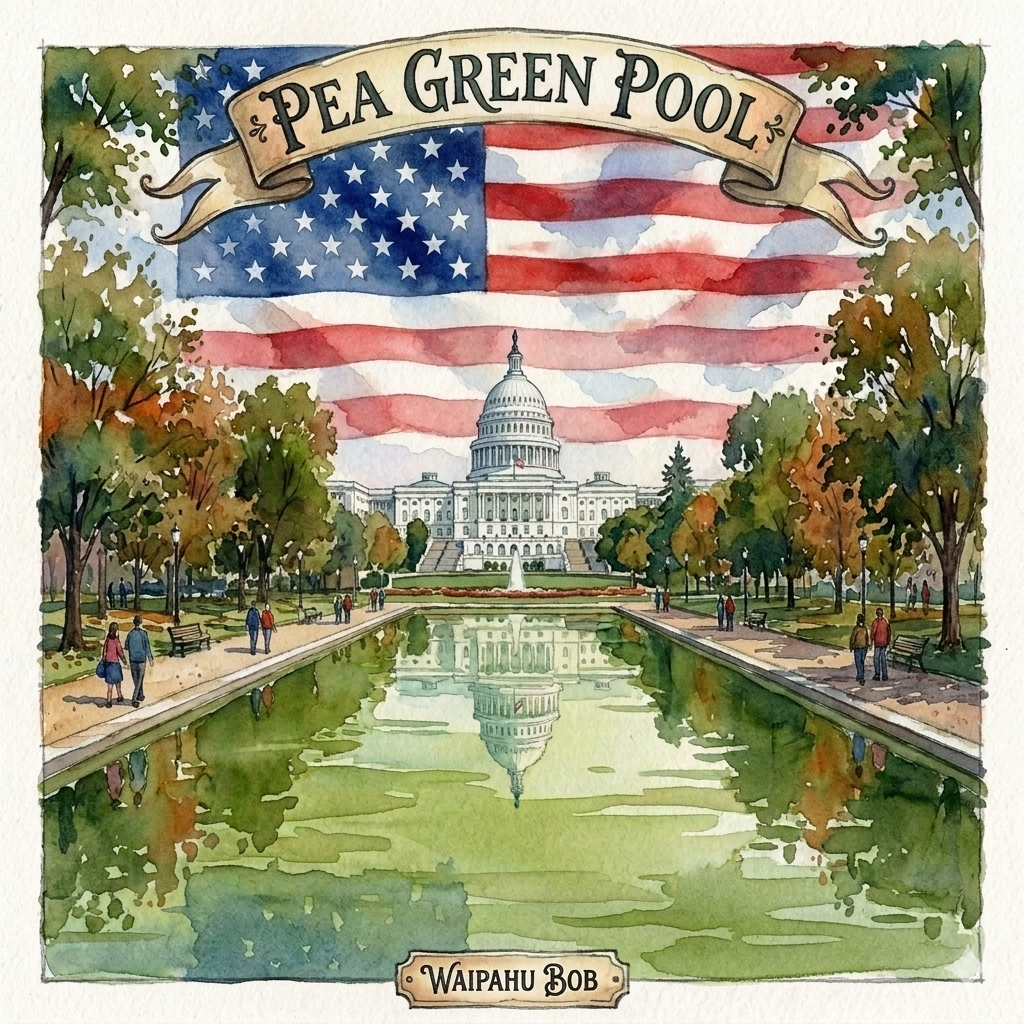
The controversy surrounding the renovation of the Lincoln Memorial Reflecting Pool is about much more than a body of water in Washington, DC. The pool has become a symbol — a small, very visible reflection of broader themes that have defined the Trump presidency: spectacle over substance, loyalty over process, grand promises followed by messy execution, and a refusal to accept responsibility when things go wrong.
From the beginning, the project carried the familiar imprint of Trump-style governance. The president personally promoted the beautification effort, repeatedly emphasizing the transformation of the historic landmark into an “American flag blue” showpiece. The project was presented as a signature improvement, something that would leave a physical mark on the nation’s capital. Critics argued that President Trump was again devoting an inordinate amount of time to decorations and renovations, as opposed to the many other important national priorities.
Then came the questions about how the project was awarded. The renovation involved no-bid contracts, including work connected to companies with ties to Trump’s personal friends, prompting accusations of favoritism and concerns about whether normal procurement safeguards had been bypassed. The cost reportedly expanded dramatically from Trump’s initial $1.8 million, ballooning to $14 million (this is before the pool is drained again and work re-done) For critics, the episode looked like a familiar pattern: a presidential ally or associate benefits, the price grows, and taxpayers are left to absorb the consequences.
The results only intensified the controversy. Soon after the project was completed, the pool developed algae problems, turning the water green, while the new blue surface coating began peeling and separating. A project sold as a dramatic restoration quickly became a national punchline. The symbolism was hard to miss: a government effort meant to create a pristine image instead produced a highly visible failure.
The response afterward reinforced the larger political pattern for Trump. Rather than accepting that the project itself may have been flawed, Trump blamed vandals and claimed sabotage, while critics argued that evidence for some of the broader claims had not been publicly demonstrated. Authorities have reported arrests and citations related to alleged incidents at the pool, but questions remain about what specific actions did these folks take, and how directly is it connected to the algae and coating failures.
That is why the Reflecting Pool controversy resonates beyond the details of paint, algae, and contracts. It became a miniature version of a recurring Trump administration theme: announce a dramatic fix, promote it as a triumph, attach it to Trump’s personal achievement, encounter predictable problems, and shift blame elsewhere. A landmark built to reflect the nation’s history instead became a reflection of the Trump governing style surrounding it — one where image, loyalty, and narrative are more important than competence, transparency, and accountability.
Good luck everybody.
Please enjoy my new song, Pea Green Pool

