
Recent reports that the FBI may no longer play its traditional role in investigating shootings and other serious incidents involving Department of Homeland Security (DHS) personnel should concern all Americans. Multiple news organizations have reported that the FBI has been directed to defer many investigations involving DHS officers to Homeland Security Investigations (HSI)—an agency that, like ICE, is itself part of DHS. At the same time, the FBI and DHS have become more restrictive about sharing investigative information and intelligence with state and local law enforcement partners in cases involving DHS personnel, a departure from the collaborative approach historically taken in major federal investigations. Although the Department of Justice and DHS have disputed aspects of these reports and have not announced a formal policy change, the conflicting accounts themselves underscore the need for greater transparency.
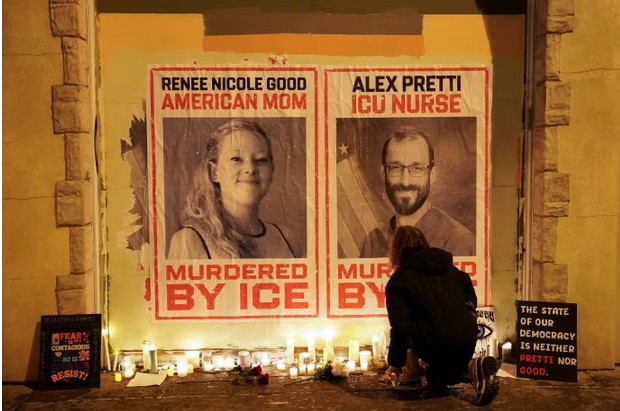
This debate comes at a particularly troubling time. Since 2025, a series of fatal encounters involving federal immigration agents has raised difficult questions about tactics, accountability, and the use of deadly force. On March 15, 2025, 23-year-old Ruben Ray Martinez was fatally shot by an HSI special agent in South Padre Island, Texas. Nearly a year later, on January 7, 2026, Renée Nicole Good, 37, was killed during federal immigration operations in Minneapolis. Just over two weeks later, on January 24, 2026, Alex Jeffrey Pretti, a 37-year-old VA intensive-care nurse, was shot and killed by Border Patrol agents in Minneapolis. On July 7, 2026, ICE officers fatally shot Lorenzo Salgado Araujo during an immigration operation in Houston. Less than a week later, on July 13, 2026, Johan Sebastián Durán Guerrero, 26, was killed by ICE officers in Biddeford, Maine. In all of these cases, witnesses disputed the government’s account, body-camera footage was unavailable, or questions were raised about whether the deceased posed an imminent threat. Particularly troubling is that those killed were not intended targets of immigration enforcement, but were rather just in the wrong place at the wrong time.
After the last incident, DHS temporarily suspended most ICE vehicle stops while it reviewed procedures and training. Within about a day, however, President Trump publicly rejected the pause, and the administration resumed the practice, emphasizing aggressive immigration enforcement.
Whatever one’s views on immigration policy, these deaths should not be viewed as routine or acceptable. Any organization experiencing a string of controversial fatal encounters would ordinarily seek more independent oversight, not less. Independent investigations protect not only the public but also law enforcement officers who acted appropriately by ensuring their actions are reviewed by an agency without an institutional stake in the outcome.
Equally important, effective investigations depend on cooperation. For decades, the FBI has worked closely with state and local police departments, prosecutors, and other agencies by sharing investigative information, forensic findings, intelligence, and other evidence. Restricting that flow of information in cases involving DHS officers risks undermining confidence in the integrity of investigations and makes it more difficult for state and local authorities to fulfill their own legal responsibilities. Transparency and cooperation among law enforcement agencies have long been strengths of the American justice system, particularly in high-profile incidents involving the use of deadly force.
If the FBI’s independent role is diminished while information sharing with state and local partners is also curtailed, the public will rightly question if accountability exists for ICE actions. Even if every officer involved acted lawfully, confidence in the outcome depends on investigations being—and being perceived as—independent, thorough, and transparent.
In a nation governed by the rule of law, accountability is not an obstacle to effective law enforcement; it is one of its foundations. During a period marked by several highly controversial deaths involving federal immigration agents, the answer should not be fewer independent investigators or less cooperation among law enforcement agencies. It should be more transparency, more independent review where appropriate, and a renewed commitment to ensuring that every loss of life is investigated thoroughly, credibly, and with the confidence of the public.

