
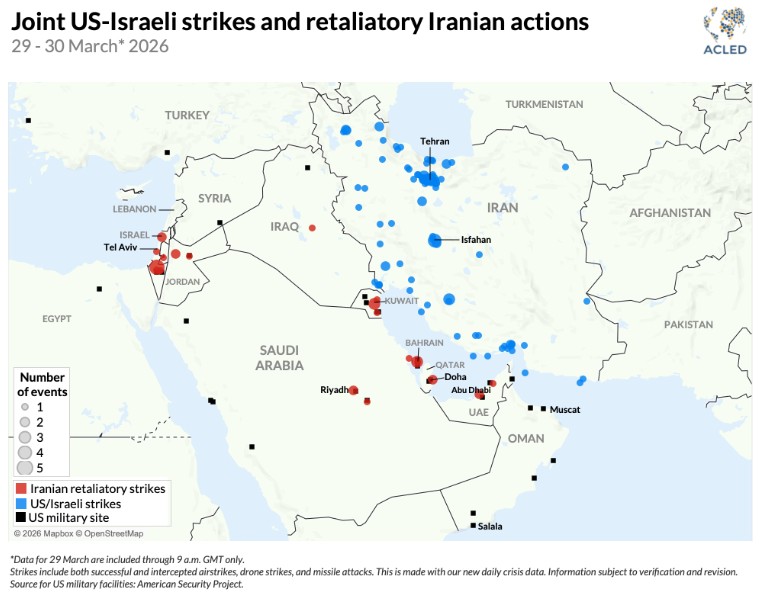
America’s war with Iran stands as a case study in strategic failure—marked not by necessity, but by miscalculation, poor planning, and a profound misunderstanding of both the adversary and America’s own national interests. From its outset, the conflict has reflected an absence of coherent strategy, with no clear objectives and inadequate preparation. Trump’s decision-making process for war, as in all things, seems improvised rather than systematic and organized. The result has been a war without clearly defined end states carried out in a haphazard strategic manner.
Equally striking has been the near-total failure of coalition building. Unlike past US interventions, even controversial ones, the United States entered this conflict largely isolated. With the exception of Israel, we have little backing from traditional European or Asian allies. Of course Canada, who Trump continues to denigrate and economically attack, is not eager to help. This isolation has not only increased the operational burden on US forces but has also amplified global skepticism about American leadership. The erosion of alliances—once a cornerstone of US power—has transformed what might have been a multilateral effort into a largely unilateral gamble.
At home, the war has proceeded without meaningful congressional authorization or sustained public justification. Inconsistent and fragmented messaging from the administration leads to public doubt about the necessity, scope, or duration of the conflict. This failure to “sell” the war has contributed to its deep unpopularity and weakened domestic legitimacy.
Compounding these failures was a fundamental misreading of Iran itself. The administration appears to have assumed that Iran would collapse or capitulate in a manner similar to US success in Venezuela—an expectation that has proven deeply flawed. Instead, Iran has demonstrated resilience, maintaining regime stability while leveraging asymmetric tools such as disruption of the Strait of Hormuz and the widespread attack on Gulf states, thereby imposing global economic costs. The belief that a compliant post-conflict Iranian government would emerge now appears detached from historical realities.
An additional hallmark of this conflict has been the pattern of bluster followed by retreat, which has further undermined credibility and revealed, not the art of the deal, but rather the absence of disciplined planning and execution. The administration repeatedly issued dramatic ultimatums—most notably a “48-hour deadline” for Iranian compliance—only to extend them days later, first by five days, then by another ten, with no clear change in underlying conditions or strategy. These shifting timelines, often announced in public statements and posts, conveyed not resolve but improvisation (is it TACO Tuesday, again?). Meanwhile, US. forces, including Marine Expeditionary Units and additional Army personnel, were just then starting to move into position, suggesting that military preparations were not in place prior to the start of war. This disconnect points to a deeper planning failure: deadlines were not tied to achievable objectives, nor to synchronized military and political actions. The danger inherent in this approach is acute. Should these incremental escalations culminate in a large-scale ground invasion—boots on the ground—will US forces be as prepared as they should be for this far more risky phase of conflict?
The broader consequences for the global economy and US. standing have been severe. The conflict has contributed to surging oil prices, market instability, and fears of prolonged stagflation. Iran’s ability to threaten global energy flows has underscored how even a weakened adversary can impose disproportionate costs. This disregard for global economic stability has further damaged US. credibility, reinforcing perceptions of US recklessness rather than reliable leadership on the world stage.
Crucially, the war was not compelled by imminent necessity. While Iran has long posed a strategic challenge, it was already constrained by sanctions, economic isolation, and internal pressures. The nuclear threat was already vastly degraded from strikes last year. There was no clear evidence of an immediate threat requiring large-scale military intervention. Instead, the war appears to have been a discretionary choice—one that has diverted attention and resources from more pressing priorities.
Foremost among those priorities is the ongoing conflict in Ukraine. At a time when the United States should be focused on countering Russian aggression and supporting European security, this war has fractured strategic focus. Worse, it has markedly assisted Russia by loosening American sanctions on Russia, and providing Russia with windfall profits as oil prices surge. Yet again, Donald Trump comes to bat for his bromance buddy and partner in crime, Vladimir Putin. This troubling pattern of Trump supporting the indicted war criminal Putin, rather than the democracies of the world, is a continuing national disgrace for America, and undermines the free world.
In sum, the Iran war reflects a profound miscalculation of American power and purpose. It combines tactical overreach with strategic distraction, weakening alliances, damaging economic stability, and undermining global leadership. Rather than reinforcing US. national interests, it has exposed the costs of acting without clear planning, broad support, or a realistic understanding of both adversaries and priorities.
Good luck everybody
 Waipahu Bob